Never Turn Away an Opportunity: The Inspiring Career Path of Dr Tracy Stanley
November 11, 2025

Could you briefly describe your career path so far?
My career has taken many twists and turns, and I am grateful to have had the opportunity to gain such broad experience. I started as an undergrad in the Animal Science degree, which turned into a PhD researching the effects of drug treatment on obesity and diabetes in humans. While continuing this research, I also managed several laboratories associated with nutrition and metabolism, as well as coordinating undergrad subjects and lecturing. It was a busy time!
I was then approached by the School Manager for a secondment role in AgriBio as the Facilities Manager – managing the La Trobe University (LTU) operations with Agriculture Victoria. This was a great opportunity to support LTU and collaborate with the State Government and other key stakeholders at a whole facility level.
I then began a role as the LTU Biosafety and Biosecurity Advisor within the Research Office. I was the listed Executive Officer for our La Trobe Institutional Biosafety Committee (LTIBC), reporting to the federal regulator Office of Gene Technology Regulator (OGTR) on all GMO research at the university. This was a rewarding position supporting the research at a university level, and where my experience in regulatory compliance became the focus of my career.
Never to give up an opportunity, it was during this time a friend asked if I would support a secondment role in Health and Safety, specifically supporting the Arts, Social Sciences and Commerce (ASSC) College both here at Bundoora and across all regional campuses. I thought this was a great opportunity to expand my experience of the entire university, outside of the STEMS fields. This role was a fantastic experience, working with a broad range of people from staff to students, and even the Senior Leadership Group (SEG).
In 2021 I was offered the role of Compliance Manager for medicinal agriculture, which I was very interested to take up as this would see me back into a research environment, amazingly, associated with my original research in both agriculture and medicine.
Could you explain the role of a Compliance Manager and why it is important for research?
The role involves supporting the research groups with regulatory compliance. This involves collaboration with the researchers, and the governing bodies of both state and federal divisions, as well as key stakeholders.
While the field of research is a dynamic area to work in, as requirements can change due to research affiliations, funding etc., it is my role to ensure that all operations comply to specific regulatory requirements depending on the nature of the work. I believe it is especially important to work with the research teams to understand the experiments being undertaken and support them with pragmatic solutions to working within a regulated environment. In this regard I aim to support the development of a compliance framework, including records and operating procedures that support their work whilst ensuring compliance with the relevant regulatory body.
What initially drew you to this role?
My passion has always been with research and so I was interested to come back to the operations of a large and successful agricultural research group associated with both plants and medicine, basically bringing me back to the field of my original research.
What aspects of your work do you find most rewarding?
Supporting and collaborating with the research teams to provide workable, pragmatic solutions to processes and procedures within the strict confines of regulation.
I enjoy the fluid nature of research where each day may bring different situations, and I’m inspired to problem-solve ways in which to support the desired outcome. This includes engaging with and supporting our team of researchers and industry partners as well as using my knowledge of university processes and procedures in order to better support the teams.
Can you share a challenge you’ve faced in your role and how you overcame it?
We have a lot of regulatory requirements from both State and Federal bodies, and all require thorough and exacting records and reporting. As the team expanded the need to record and report also increased. With tinstance andd collaboration of several team members we were able to develop more advanced and streamlined systems which would provide much needed data for recording and reporting, in the first instance, and could also be utilised by the researchers for their own experimental processes.
What professional accomplishment are you most proud of?
While not in the domain of living plants and animals, I was proud to have supported the Archaeology department to set up a specialised laboratory using Hydrofluoric Acid (HF) to study pollen in ~70,000 year old soil samples. The laboratory needed to be operationalised, and the process using HF, a dangerous chemical, required specialised equipment, processes and procedures involving the support of the researchers and several divisions of the University.
It all started with a contact while dog walking in a park and resulted in a bespoke health and safety course, solely developed for us by a specialised cyanide and HF clean laboratory at another university. The LTU team, consisting of the researchers, staff and even some senior management attended the two day course with resounding feedback, and even specialised PPE to return with!
I thoroughly enjoyed the collaboration both within the Archaeology team, School and College but also with another university who had really gone to great lengths to support us. I was proud of both the operational and social achievement and received an award from the Provost and a nomination in the VC awards for this achievement.
You’re also a farmer — could you tell us more about that role?
It’s Spring! I am now officially hand feeding an orphaned calf, nearly a baby Magpie as well (parents were ‘teaching’ it to fly apparently- by pushing it out of the nest!), and expecting a foal within the month.
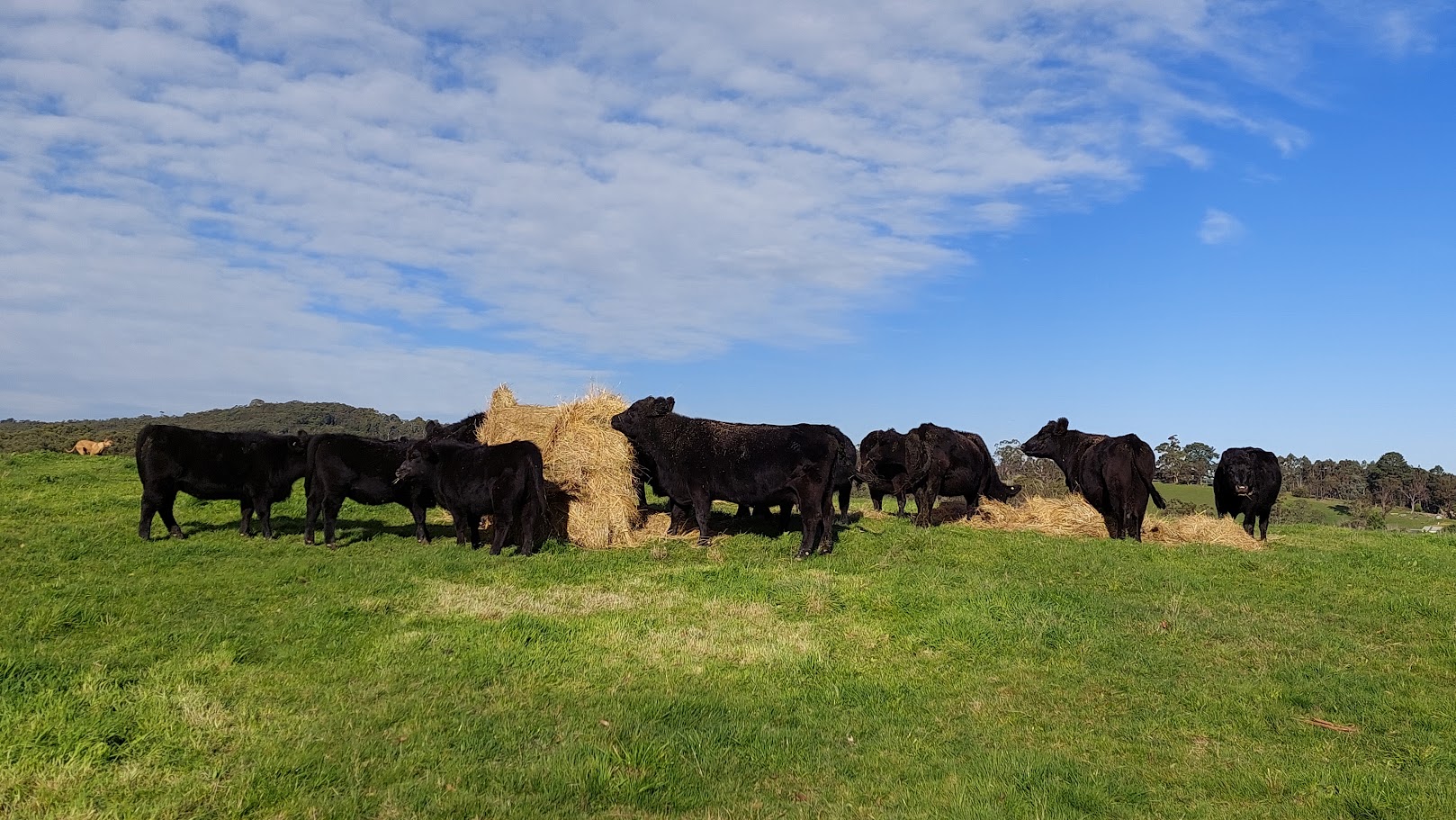
I have a property in the Yarra Valley where I run a small business involving a beef herd (currently calving), and an equestrian facility where I breed, train and agist (rent out paddocks) to other horse owners.
Apart from working in my veggie patch, I’m working on pasture renovation which I hope to one day bale my own hay, and I’m currently teaching my son to not wreck the tractor and learn how to fence. Hopefully he’ll become a mechanic and help his mum fix the machinery!
“One of my favourite mentors, a very well-travelled and experienced senior leader, always said never turn away an opportunity. He spoke about many roles he had done and how it had taken him to many places and different people and cultures, and I found this very inspiring. He always listened, collaborated, and encouraged a team environment and it was a joy to work with him. Even though he has now retired I hope to continue his sentiment to the best of my abilities and opportunities.” — Tracy Stanley
Stay tuned for updates on our research, industry collaborations, and opportunities to engage with the PC Hub.
🔗 Follow us on LinkedIn to stay connected!